

Fitted Wardrobes Guide
Understand fitted wardrobes properly before deciding what is right for your room, your storage and your budget.
Explore fitted wardrobe costs, design, construction, interiors, room layouts, installation and comparisons — with practical explanations designed to help you understand what you are actually buying.
Start with the subject that matters to you, then follow the guide into more detailed information where you need it.
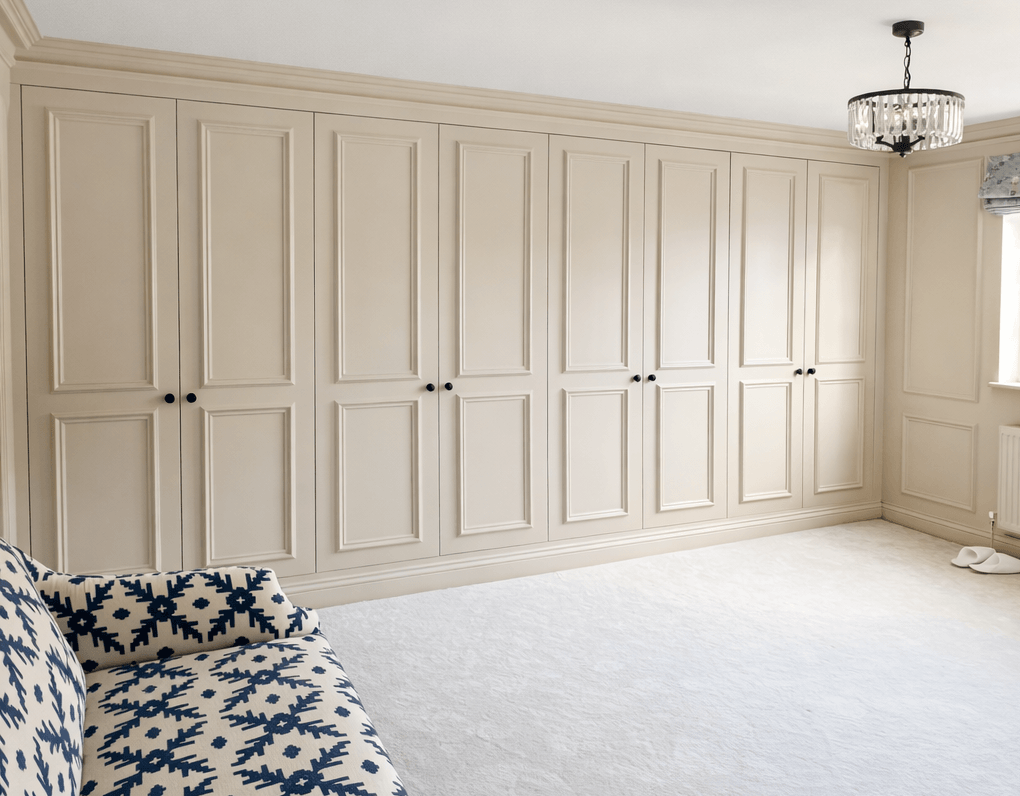
What Do You Want to Know About Fitted Wardrobes?
Whether you are researching fitted wardrobes for the first time or already comparing designs and quotes, choose the subject that best matches the question you are trying to answer.
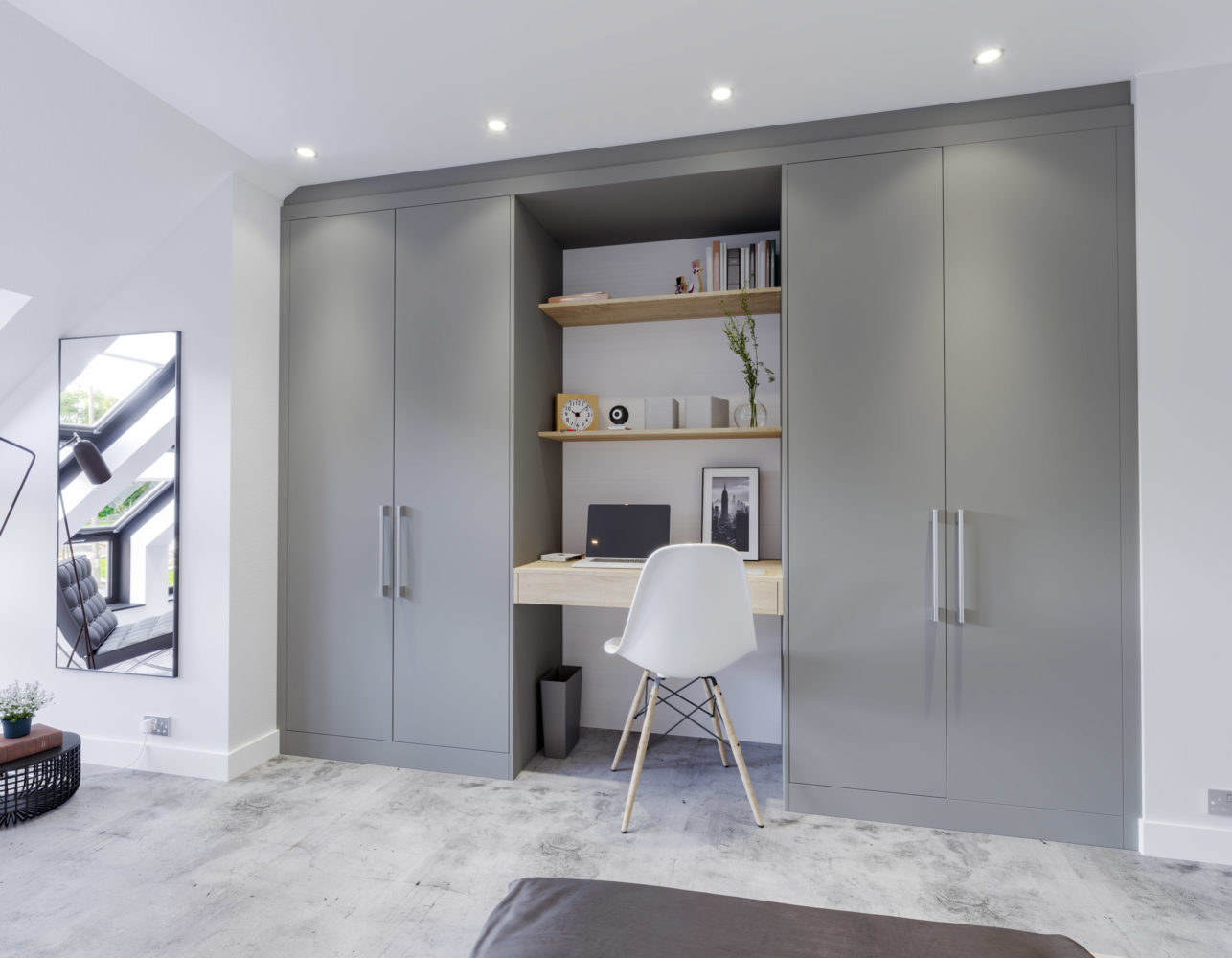
What Makes a Fitted Wardrobe Different?
Fitted wardrobes, built-in wardrobes, bespoke wardrobes and made to measure wardrobes are often spoken about as though they are the same thing. In practice, the furniture behind those descriptions can be very different.
Some fitted wardrobe systems are designed around the actual width, height and shape of the room. Other systems begin with predetermined cabinet sizes and use filler panels, top panels or finishing pieces to close the remaining gaps.
Construction can vary too. A wardrobe might have a complete internal carcass with its own sides, backs, tops and bases, while another system may use the walls or ceiling of the room as part of the wardrobe interior.
Understanding these differences makes it easier to compare fitted wardrobe designs, specifications and quotes later.
Fitted Wardrobes vs Freestanding Wardrobes
Freestanding wardrobes are manufactured as complete pieces of furniture and can normally be moved. Fitted wardrobes are designed to become part of the room, using the available wall width, ceiling height and surrounding features to create built-in bedroom storage.
What Are Made to Measure Fitted Wardrobes?
Made to measure wardrobes should be sized around the room rather than relying only on predetermined cabinet widths and heights. This can allow door proportions, internal layouts, wardrobe depths and finishing panels to be planned around the actual space.
What Does Bespoke Fitted Wardrobes Mean?
Bespoke should describe more than a choice of colour or door style. When comparing bespoke fitted wardrobes, look at how much control you have over the wardrobe size, door proportions, internal storage, construction, materials and the way the furniture is finished against the room.
What Is a Fitted Wardrobe?
Read our more detailed guide explaining fitted wardrobes, built-in furniture, modular wardrobe systems and what made to measure means in practice.
Types of Fitted Wardrobes
There are several different types of fitted wardrobes, and the best choice depends on the shape of the room, available floor space, ceiling height, door opening space and the way you want to use the wardrobe interior.
Hinged fitted wardrobes, sliding wardrobes, walk-in wardrobes and fitted wardrobes for lofts or sloping ceilings each solve different bedroom storage problems. The important part is choosing the wardrobe system that works with the room rather than forcing the room to suit the furniture.
Hinged Fitted Wardrobes
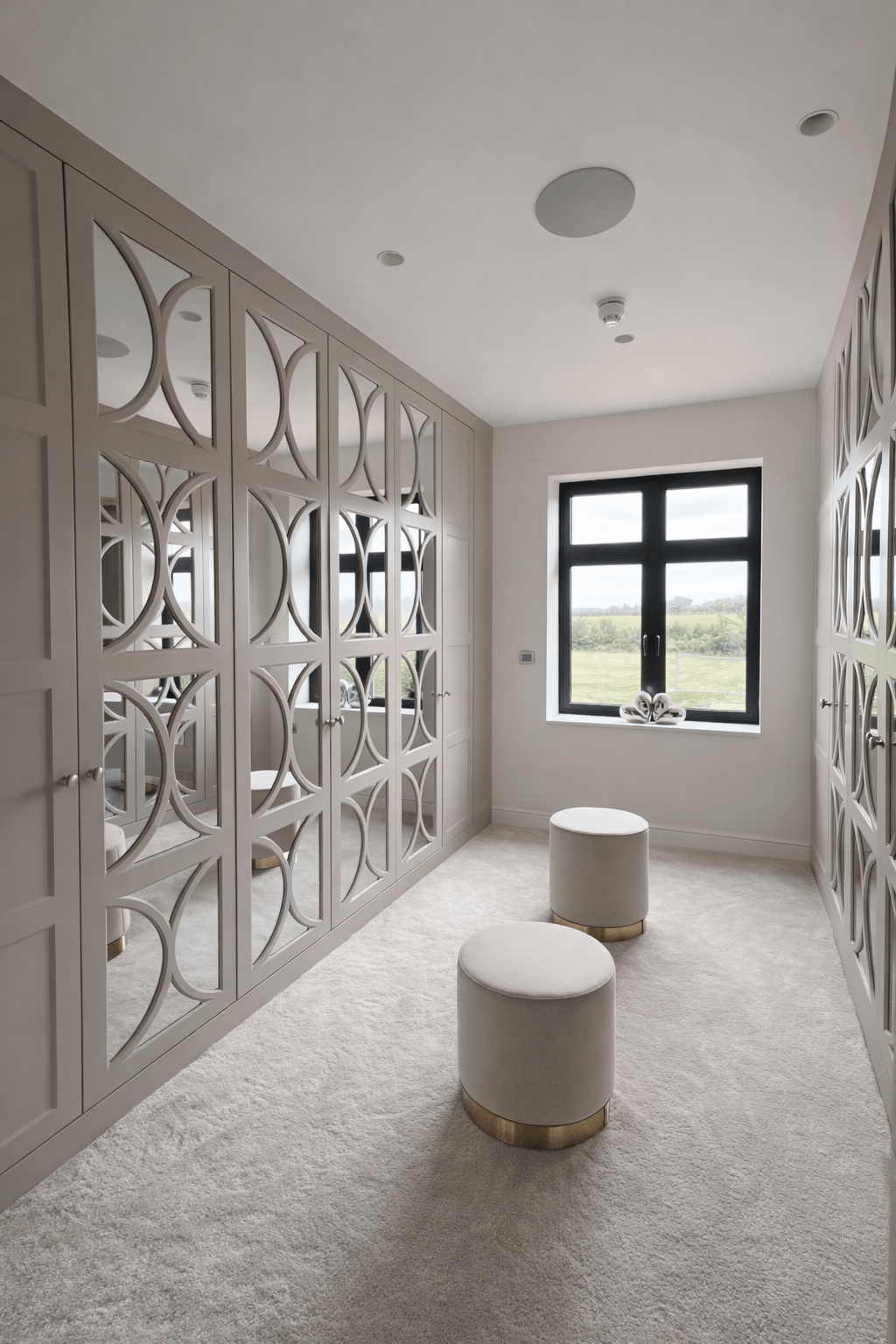
Hinged fitted wardrobes use conventional outward-opening wardrobe doors and are one of the most flexible forms of made to measure bedroom storage. They can be designed wall to wall and floor to ceiling, with individual wardrobe widths, door proportions and internal layouts planned around the room.
Hinged wardrobes also offer a wide choice of fitted wardrobe door styles, including modern flat doors, shaker wardrobes, handleless designs, mirrored doors and more detailed bespoke finishes.
Sliding Fitted Wardrobes
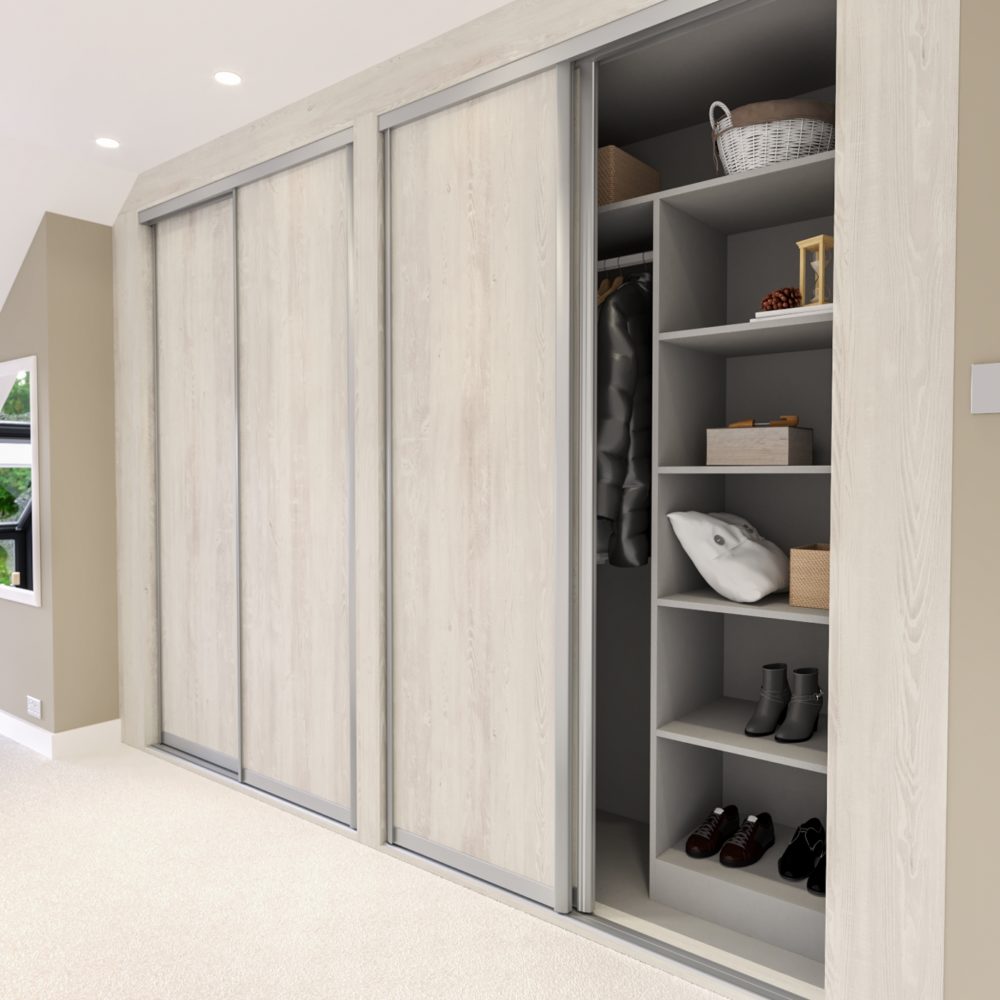
Sliding fitted wardrobes use wardrobe doors that move sideways along tracks rather than opening into the room. This makes sliding wardrobes particularly useful where the bed or other furniture sits close to the wardrobe and there is less space available for hinged doors to open.
Made to measure sliding wardrobes can cover wide openings with fewer, larger door panels and can incorporate mirrored, coloured or decorative finishes while still using a fitted wardrobe interior designed around the room.

Walk-In Wardrobes
Walk-in wardrobes and fitted dressing rooms use a dedicated part of the bedroom, dressing room or adjoining space for clothes storage. The wardrobe interior can be planned around hanging space, shelves, internal drawers, shoes, accessories and wardrobe lighting.
A good walk-in wardrobe design needs to consider more than the amount of cabinetry available. Clear walking space, access to drawers and hanging areas, corners and the way the storage is used day to day all affect the final layout.
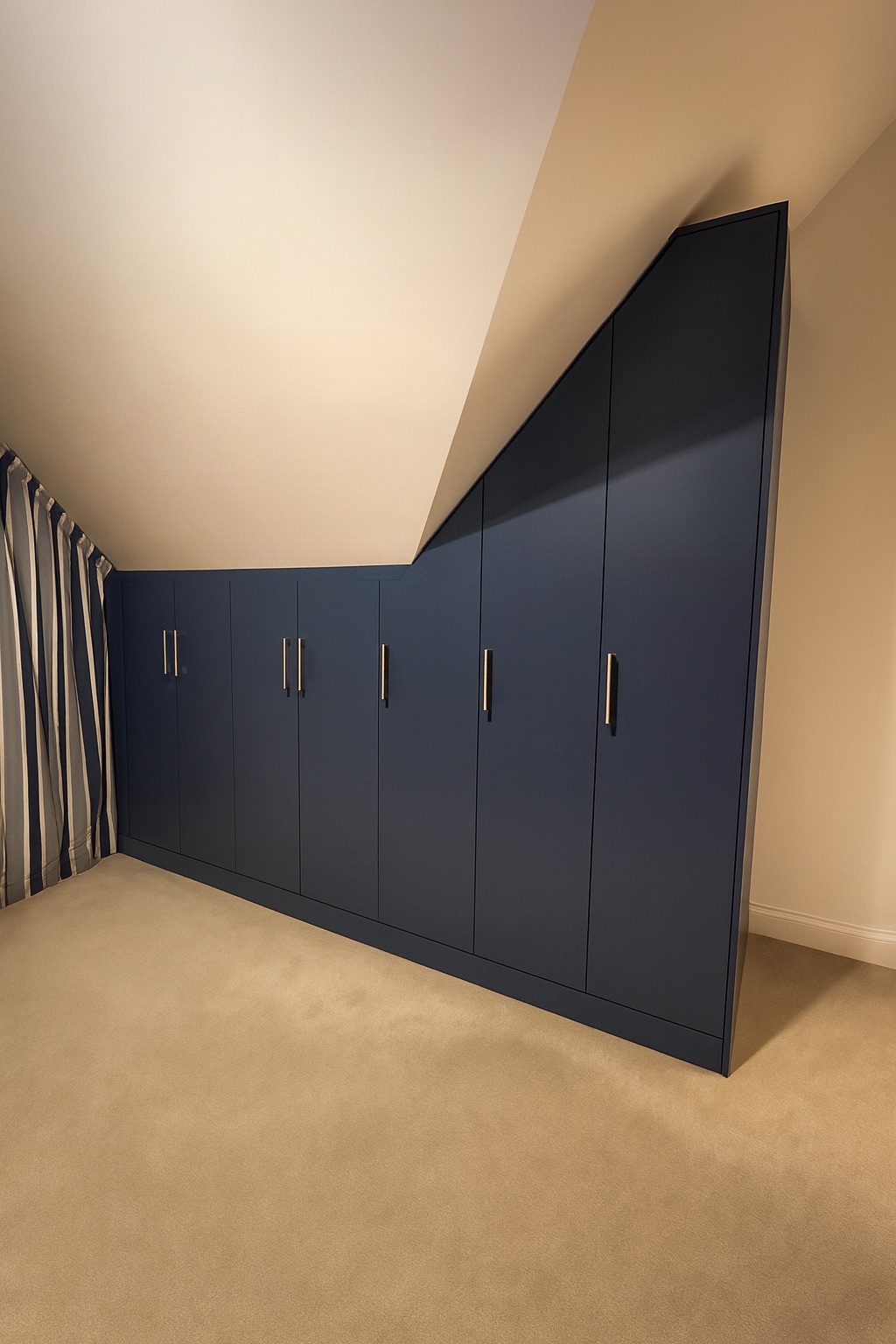
Loft & Sloping-Ceiling Fitted Wardrobes
Fitted wardrobes can be particularly useful in loft conversions, attic bedrooms and rooms with sloping ceilings because made to measure furniture can follow the available height rather than leaving difficult triangular gaps around standard furniture.
Angled fitted wardrobes need careful planning because the usable internal storage can be different from the external wardrobe size. Hanging rails, shelving and drawers need to be positioned where the available depth and ceiling height allow them to work properly.
Not Sure Which Type of Fitted Wardrobe Is Right for Your Room?
Send us a photograph of the room and a few approximate measurements. We can usually help explain whether hinged wardrobes, sliding wardrobes, a walk-in layout or a more bespoke angled solution is likely to suit the space.
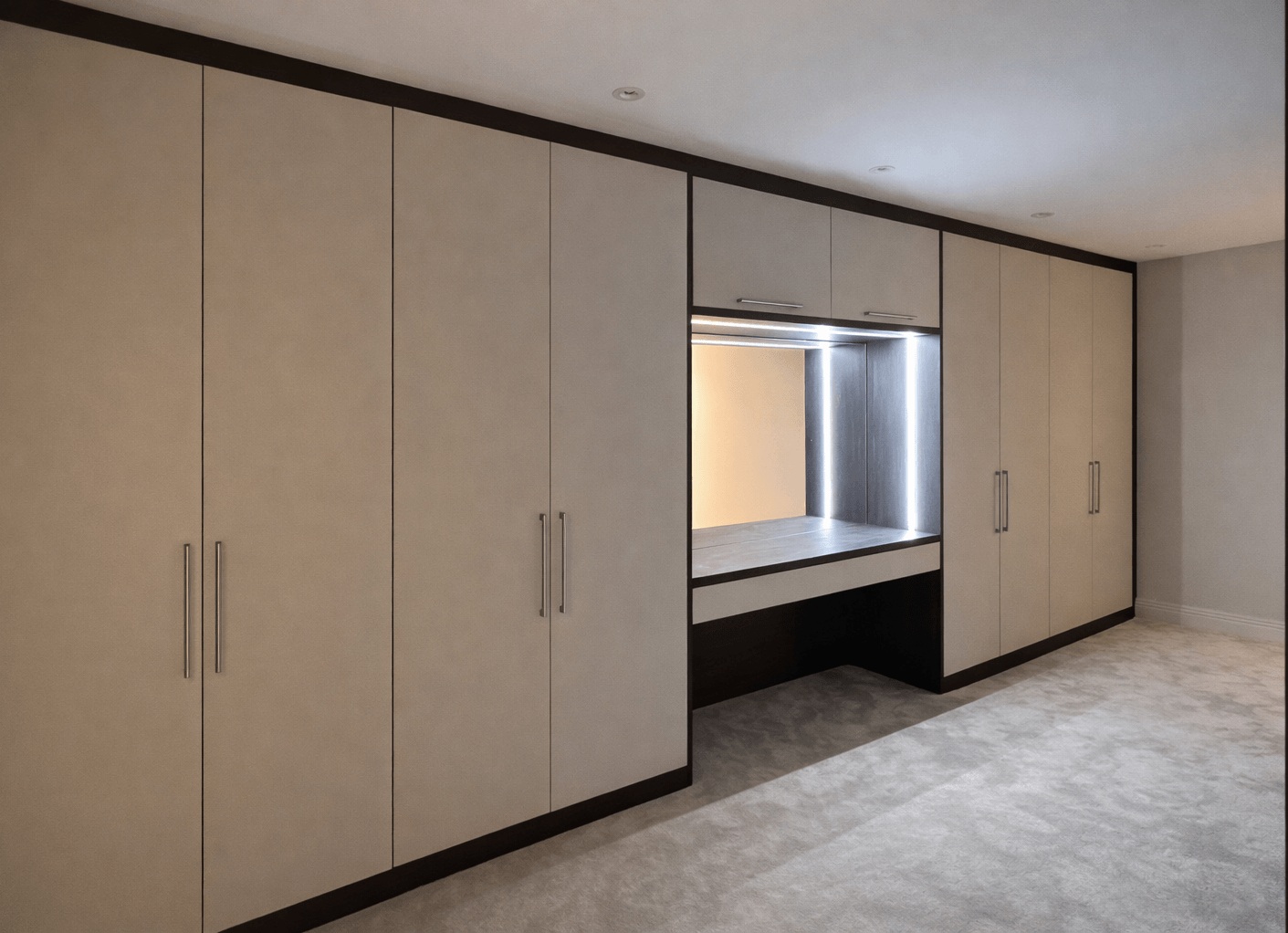
Fitted Wardrobe Costs, Prices & Quotes
Understanding fitted wardrobe prices means looking beyond the final number on the quotation.
Fitted wardrobe costs depend on the size of the furniture, door style, materials, wardrobe interiors, drawers, room shape, construction, installation and the level of finishing included.
Two fitted wardrobe quotes can therefore be very different even when the finished wardrobes appear similar at first glance.
The guides below explain the main fitted wardrobe pricing questions and help you understand what you are actually comparing.
Fitted Wardrobe Pricing Questions Explained
These are some of the most useful questions to understand when budgeting for fitted wardrobes or comparing quotations from different fitted wardrobe companies.
How Much Do Fitted Wardrobes Cost?
The cost of fitted wardrobes depends heavily on the size, style and specification of the project. A simple straight wardrobe run with basic interiors will normally cost less than full-height wardrobes containing drawers, mirrors, lighting or complicated angled sections.
Our dedicated fitted wardrobe cost guide explains the main pricing factors in more detail and is the best starting point if you are trying to understand a realistic fitted wardrobe budget.
Read Our Fitted Wardrobe Cost GuideWhat Affects Fitted Wardrobe Prices?
Wardrobe width and height matter, but they are only part of the price. Door design, materials, mirrored panels, wardrobe interiors, internal drawers, shoe storage, lighting, accessories and wardrobe depth can all affect the final cost.
Room complexity matters too. Fitted wardrobes around sloping ceilings, chimney breasts, alcoves or uneven walls may require more design, manufacturing and fitting work.
What Should Be Included in a Fitted Wardrobe Quote?
A fitted wardrobe quote should help you understand exactly what is being supplied rather than showing only a total price.
Look for wardrobe dimensions, door style, colour, carcass specification, wardrobe interiors, drawers, handles, mirrors, finishing panels, installation, VAT and anything that is specifically excluded.
How Do You Compare Fitted Wardrobe Quotes?
Comparing fitted wardrobe quotes properly means comparing the specification as well as the price.
One supplier may include full wardrobe carcasses, backs, internal drawers and installation while another may use a different construction method or leave some of those items out. A lower quotation is only cheaper if you are actually comparing the same finished product.
Why Are Fitted Wardrobes So Expensive?
Fitted wardrobes usually cost more than flat-pack or freestanding furniture because the price can include design work, made to measure manufacturing, individual door sizes, internal storage, finishing panels and installation into the room.
The useful question is not simply why fitted wardrobes cost more, but what additional design, materials, storage and installation you are receiving for the difference.
Are Fitted Wardrobes Worth It?
Whether fitted wardrobes are worth the cost depends on the problem you are trying to solve. They can use awkward widths, full ceiling height, alcoves, sloping ceilings and spaces where standard furniture does not fit particularly well.
Value is therefore better judged against the usable storage, design flexibility, construction, finish and installation you receive rather than the purchase price alone.
Compare Fitted Wardrobe Prices by Company
National fitted wardrobe companies can use very different pricing, construction and specification systems. Our comparison guides are designed to look beyond headline discounts and compare what the customer actually receives for the quoted price.
Sharps Fitted Wardrobe Costs & Prices
Searches for Sharps fitted wardrobe costs and Sharps wardrobe prices are among the strongest branded pricing questions in the fitted-bedroom market.
A useful comparison needs to look at the actual wardrobe size, door style, internal storage, construction, installation and what is included in the final quotation — not simply the headline discount or final total.
Hammonds Fitted Wardrobe Costs & Prices
Hammonds publishes fitted-bedroom price examples, which creates a useful opportunity to compare a clearly described Hammonds wardrobe package with a similarly specified Simply Fitted Wardrobes project.
The important comparison is not only the price. It should also include the wardrobe construction, interiors, materials, fitting, finishing details and exactly what is included at that price.
Wren Fitted Wardrobe Costs & Prices
Wren fitted wardrobe costs and fitted-bedroom pricing are another useful comparison point for customers researching national fitted furniture companies.
Any Wren comparison should use a dated, clearly specified example and compare it with the nearest equivalent SFW wardrobe design rather than trying to compare unrelated headline prices.
IKEA PAX vs Made to Measure Fitted Wardrobes
IKEA PAX is different from Sharps, Hammonds and Wren because many customers are comparing a modular wardrobe system with fully fitted furniture rather than comparing two fitted-wardrobe companies.
Our existing IKEA PAX guide explains the practical differences and why a made to measure fitted wardrobe normally costs more than a modular PAX installation.
Read Our IKEA PAX Fitted Wardrobe ComparisonHow Our Fitted Wardrobe Price Comparisons Will Work
Supplier comparisons are only useful when the evidence is clear. Each detailed comparison should use current, dated information and make the assumptions visible so you can see whether the two quotations are genuinely comparable.
- Similar wardrobe size and room layout
- Current dated competitor price or quotation
- Exact furniture and interiors included
- Closest equivalent SFW specification and price
- Carcass, backs, panels and construction
- Door materials, finishes and hardware
- Installation and finishing included
- Clear advantages, disadvantages and differences
Before Comparing Two Fitted Wardrobe Quotes
Check whether the quotes actually describe the same level of fitted furniture. These details can materially change both the price and the finished wardrobe.
- Wardrobe width, height and depth
- Door style and visible finish
- Carcass construction and wardrobe backs
- Shelves, hanging and internal drawers
- Handles, mirrors and accessories
- End panels, fillers, scribes and plinths
- Delivery and installation
- VAT and excluded items
A Fitted Wardrobe Quote Is Really a Specification
The final price only makes sense once you understand what sits behind it. When two fitted wardrobe quotations are different, work through the size, construction, materials, interiors, finishing and installation before deciding that one supplier is simply more expensive than another.
Need Help Comparing a Fitted Wardrobe Quote?
If you already have a fitted wardrobe quotation and are unsure what you are actually getting for the price, send us the quote, a photograph of the room or some approximate measurements. We can help you understand the specification, what appears to be included and the main things worth comparing.
Fitted Wardrobe Construction & Build Quality
Two fitted wardrobes can look almost identical with the doors closed while being built very differently behind them.
Fitted wardrobe construction can vary in the way the carcass is made, whether wardrobe backs are included, the thickness of the materials, how the furniture is supported and how visible details such as plinths, scribes and filler panels are finished.
None of these details can be judged properly from the door style alone. If you are comparing fitted wardrobe companies, it is worth understanding what is actually included behind the doors.

How Are Fitted Wardrobes Constructed?
There is more than one way to build a fitted wardrobe. The important point is to understand which construction method is being quoted and what is included within that system.
Full Carcass Fitted Wardrobes
A full carcass wardrobe is built as a complete cabinet with dedicated sides, a base, a top and a back panel. Several carcasses can then be fitted together and finished into the room using plinths, scribes, fillers and end panels.
Frame-Based Fitted Wardrobes
A frame-based wardrobe may use a front framework, doors and internal fittings while relying more heavily on the walls, floor or ceiling of the room to form part of the internal wardrobe enclosure.
Hybrid Wardrobe Construction
Some fitted wardrobe systems combine elements of both methods. For example, parts of the wardrobe may use complete cabinetry while other areas use the room structure or separate finishing components.
Fitted Wardrobe Construction Questions Worth Understanding
These are some of the hidden details that can affect how fitted wardrobes look, feel and perform once they are installed.
What Is a Fitted Wardrobe Carcass?
The wardrobe carcass is the main cabinet structure behind the doors. In a full carcass system this normally includes the wardrobe sides, top, base and back.
The carcass creates the internal enclosure and provides the structure for shelves, hanging rails, drawers, hinges and other wardrobe fittings.
Do Fitted Wardrobes Need Back Panels?
Some fitted wardrobe systems include a dedicated back panel while others leave the room wall exposed behind the wardrobe interior.
A back panel changes the way the wardrobe is enclosed and finished internally, so it is worth checking whether wardrobe backs are included and what material or thickness is being used.
What Thickness Should Fitted Wardrobe Carcasses Be?
Material thickness varies between wardrobe systems. The quoted thickness may apply to some panels but not necessarily every part of the wardrobe, so ask specifically about the sides, bases, tops, shelves and back panels.
Thickness is only one part of the specification, but it is a useful detail to understand when comparing fitted wardrobe construction.
Fitted Wardrobe Plinth Construction
The plinth is the finished area beneath the wardrobe doors. On a long run of wardrobes, the way the plinth is constructed can make the furniture look like one continuous fitted installation or a series of separate cabinet boxes.
Our dedicated plinth guide explains why continuous plinth detailing matters and what to look for when comparing fitted wardrobes.
Read Our Fitted Wardrobe Plinth Construction GuideWhat Are Fitted Wardrobe Scribes, Fillers & End Panels?
Walls, floors and ceilings are rarely perfectly straight. Scribes and filler panels close the small differences between the manufactured furniture and the room, while visible end panels finish exposed wardrobe sides.
Their width, material and finish can have a significant effect on how genuinely built-in the completed wardrobes appear.
Fitted Wardrobe Hinges, Fixings & Hardware
Hinges, drawer runners, hanging hardware and internal fittings are easy to overlook when comparing fitted wardrobe quotations, but they affect how the furniture operates every day.
Ask what hardware is included, whether hinges and drawers are soft close and how replacement or adjustment is handled if mechanical parts ever need attention.
Example: Simply Fitted Wardrobes Full Carcass Construction
To make the terminology easier to understand, our own fitted wardrobes provide one example of a full carcass system.
Our standard carcass construction uses 18mm sides, 18mm bases, 18mm tops and solid 18mm backs. The completed carcasses are then fitted and finished into the room using the appropriate plinths, scribes, panels and installation details for the project.
Other fitted wardrobe companies may use different systems, which is why the most useful comparison is the actual specification rather than the word “fitted” on its own.
Explore Our Made to Measure Fitted WardrobesQuestions to Ask Any Fitted Wardrobe Company
If the construction specification is not obvious from the quotation, these simple questions can reveal a lot about what you are actually buying.
- Is this a full carcass, frame-based or hybrid wardrobe system?
- Are wardrobe backs included?
- What thickness are the carcass panels and backs?
- How will the plinth be finished across multiple wardrobes?
- How wide will the side fillers, scribes and top panels be?
- What hinges, drawer runners and internal hardware are included?
- Are visible end panels finished to suit the doors?
- How are uneven walls, floors and ceilings dealt with during fitting?
Fitted Wardrobe Interiors, Design & Finishes
A fitted wardrobe should work just as well with the doors open as it looks with the doors closed.
Good fitted wardrobe design starts with the way you actually store clothes, shoes and accessories. Hanging height, shelving, drawers, wardrobe depth and internal divisions all affect how useful the finished furniture will be.
The external design matters too. Door style, colour, visible side panels, scribes, plinths, mirrors and handles all influence how naturally the wardrobes sit within the room.
How Should You Plan Fitted Wardrobe Interiors?
The best wardrobe interior is not the one with the most accessories. It is the layout that matches what you actually own and keeps the most-used items easy to reach.
Hanging Space in Fitted Wardrobes
Think about how much full-length and short hanging you need before deciding on rails. Dresses and long coats need more vertical space, while shirts, jackets and trousers can often use double hanging to make better use of the wardrobe height.
The correct mix depends on your clothes rather than on a standard wardrobe template.
Shelves in Fitted Wardrobes
Wardrobe shelving can be useful for folded clothes, bags, storage boxes and less frequently used items, but shelf spacing matters. Too many fixed shelves can make tall items difficult to store, while large gaps can waste vertical space.
Adjustable or carefully positioned shelving can make the interior much more flexible.
Internal Drawers in Fitted Wardrobes
Internal wardrobe drawers are useful for underwear, accessories, folded clothing and smaller items that can otherwise become difficult to organise on open shelves.
Their position should be planned around the door openings and hanging areas so that the drawers can be accessed comfortably.
Shoe Storage & Wardrobe Accessories
Shoe shelves, pull-out trays, jewellery storage, trouser rails and other wardrobe accessories can improve organisation, but they also take up internal space.
Add them where they solve a real storage problem rather than filling the wardrobe with mechanisms that reduce usable capacity.
Wardrobe Lighting
Integrated wardrobe lighting can make deep or darker wardrobe interiors easier to use, especially in larger fitted wardrobes or dressing rooms.
Lighting should be considered early enough for the electrical supply, switching and internal layout to work together rather than being added as an afterthought.
Fitted Wardrobe Interior Design
A well-designed wardrobe interior balances hanging, shelves, drawers and open space around the clothes and belongings you actually need to store.
Our dedicated wardrobe interiors page shows more fitted wardrobe storage ideas and explains how different layouts can be planned.
Explore Fitted Wardrobe Interior DesignHow Deep Should Fitted Wardrobes Be?
Wardrobe depth affects how clothes hang, how much floor space the furniture uses and which interior fittings will work comfortably.
Standard hanging usually needs more depth than shelving, so shallow fitted wardrobes often require a different internal plan rather than simply making a normal wardrobe narrower from front to back.
This is particularly important in small bedrooms, chimney-breast alcoves, loft rooms and other restricted spaces.

Fitted Wardrobe Colours, Materials & Finishes
The visible finish of fitted wardrobes is made up of more than the doors. End panels, scribes, fillers, plinths and top panels can all be visible once the wardrobes are installed.
If those parts use different materials, manufacturing processes or surface finishes, small colour and texture differences may become noticeable in the room.
Lighting also changes the way fitted wardrobe colours appear. The same finish can look different under showroom lighting, daylight and warm bedroom lighting.
Explore Our Fitted Wardrobes BrochureFitted Wardrobe Door Styles
Flat slab doors, shaker doors, handleless designs, mirrored panels and more detailed door styles create very different looks even when the underlying wardrobe layout is similar.
Door style also affects the amount of visible jointing, panel detail and hardware in the finished room.
Wardrobe Colours & Woodgrain Finishes
Fitted wardrobes can use neutral matt finishes, painted-look colours, woodgrains and more decorative surfaces. The best choice depends on the room, lighting and how strongly you want the wardrobes to stand out.
Always judge samples in the room where possible rather than relying only on photographs or showroom lighting.
Handles, Mirrors & Visible Details
Handles, mirrored panels and other visible details can significantly change the finished appearance of fitted wardrobes.
These details should be considered together with the door style, panel proportions and surrounding room finishes rather than chosen separately at the end.
Should Visible Wardrobe Panels Match the Doors?
Where possible, visible parts of the fitted wardrobe should be specified so the doors, scribes, end panels, fillers and plinths look intentional together.
Our colour-matching guide explains why exact appearance can still vary between materials and lighting conditions, and what customers should ask before ordering.
Read Our Fitted Wardrobe Colour Matching GuidePlanning Your Fitted Wardrobe Design
Explore more about wardrobe layouts, door choices and the wider fitted wardrobe design process before deciding on your final specification.
Explore Fitted Wardrobe DesignExplore Fitted Wardrobe Ranges & Door Styles
See the current Simply Fitted Wardrobes ranges and compare different door styles, finishes and design directions for made to measure fitted wardrobes.
Explore Fitted Wardrobe RangesFitted Wardrobe Installation & Planning
Good fitted wardrobe installation starts before the furniture arrives.
Accurate measurements, room preparation, access, flooring, electrical work and the condition of the walls and ceilings can all affect how smoothly a fitted wardrobe project is installed.
The exact fitting process will vary depending on the size and complexity of the wardrobes, but understanding the main stages in advance makes it much easier to plan the room around the installation.
What Should Be Planned Before Fitted Wardrobe Installation?
A little planning before fitting can prevent avoidable problems once the wardrobes are ready to be installed.
Final Measurements & Room Survey
Fitted wardrobes need to be designed around the actual room rather than assumed dimensions. Walls, floors and ceilings can all vary, particularly in older properties or rooms with alcoves, chimney breasts and sloping ceilings.
Final measurements should reflect the room conditions the furniture will actually be fitted into.
Preparing the Room for Fitted Wardrobes
Clothing, loose furniture and other belongings should normally be cleared from the immediate fitting area so the installers can work safely and access the walls, floor and ceiling around the wardrobes.
Larger furniture that cannot easily be moved should be discussed before installation rather than left until fitting day.
Access for Wardrobe Panels & Materials
Large wardrobe panels, doors and internal components need a practical route from the delivery point to the room.
Tight staircases, narrow hallways, restricted parking or difficult access should be identified in advance so the project can be planned around them.
Flooring, Skirting Boards & Decorating
New flooring, skirting boards and decorating can affect the final wardrobe fit, so the order of work should be agreed before installation.
Do not automatically remove skirting or alter flooring beforehand. The correct approach depends on the wardrobe design and how the furniture will be finished into the room.
Sockets, Lighting & Electrical Work
Power sockets, switches, lighting and other electrical points should be considered during the design stage if they sit within or close to the proposed wardrobe area.
Any electrical alterations should be planned before the wardrobes restrict access to the wall or ceiling.
Sloping Ceilings, Alcoves & Awkward Spaces
Loft rooms, sloping ceilings, chimney breasts and irregular walls usually need more detailed measuring and fitting than a simple straight wardrobe run.
These spaces are exactly where made to measure design and careful installation planning become particularly important.
What Happens During Fitted Wardrobe Installation?
The exact order varies between projects, but a typical fitted wardrobe installation can involve the following stages.
Common Fitted Wardrobe Installation Questions
These are some of the practical questions worth resolving before installation day.
How Long Does Fitted Wardrobe Installation Take?
There is no single fitting time that applies to every wardrobe. Installation time depends on the amount of furniture, room shape, number of doors and drawers, access, finishing details and the complexity of the design.
Do Walls & Ceilings Need to Be Perfectly Straight?
No room is perfectly square. Fitted furniture is normally designed and finished around small variations using scribes, fillers and other finishing panels. Larger structural problems should be identified before the furniture is manufactured.
Should Skirting Boards Be Removed Before Fitting?
Not automatically. Whether skirting is removed, worked around or incorporated into the finished design depends on the wardrobe system and room layout. Confirm the approach before altering the room.
Should Flooring Be Fitted Before or After Wardrobes?
This depends on the flooring type, the renovation programme and the way the wardrobes are designed to meet the floor. If new flooring is planned, coordinate it with the wardrobe installer before either job starts.
Can Fitted Wardrobes Work Around Sockets & Services?
Often they can, but sockets, switches, lighting, pipework and other services need to be identified during the design stage so access and clearances can be planned properly.
What Should I Do Before the Fitters Arrive?
Make sure the fitting area is accessible, remove clothing and loose belongings from the immediate area and raise any concerns about parking, stairs, access or other building work before installation day.
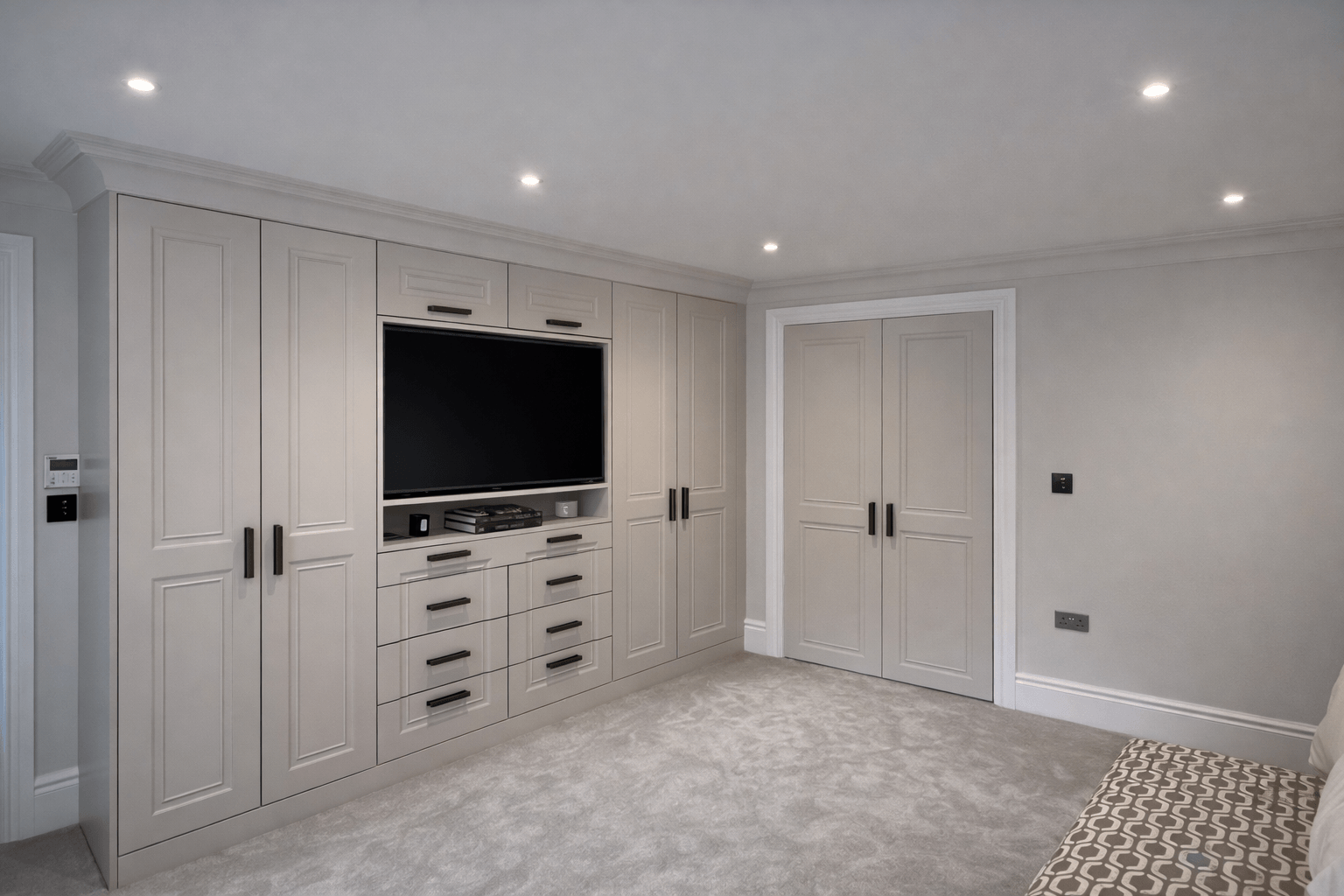
See Real Fitted Wardrobe Installations
Real projects are one of the best ways to understand how made to measure wardrobes work with different room shapes, ceiling heights, interiors and finishing details.
Explore completed Simply Fitted Wardrobes projects to see examples of fitted wardrobes, awkward spaces, colours, door styles and finished installations in real homes.
Explore Real Fitted Wardrobe ProjectsFitted Wardrobe Comparisons & Alternatives
Fitted wardrobes are not the only way to add bedroom storage, and they are not automatically the right answer for every room.
Freestanding wardrobes, modular systems, flat-pack furniture, sliding wardrobes and fully made to measure fitted furniture all solve slightly different problems.
A useful comparison looks at the available space, storage requirement, budget, flexibility, construction, finish and installation rather than deciding purely from photographs or headline prices.
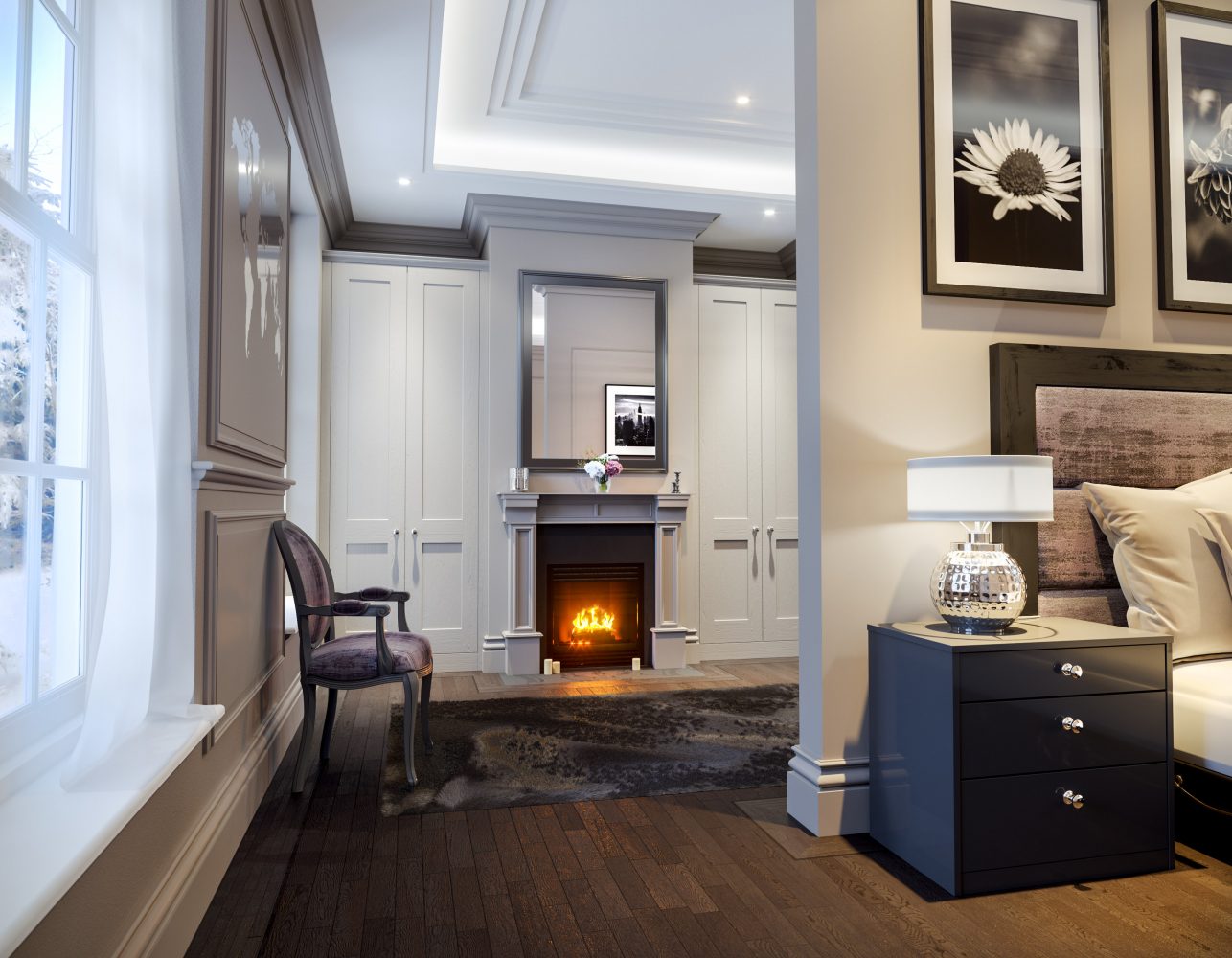
Fitted Wardrobes vs Other Wardrobe Options
The right storage solution depends on what you need the furniture to do and how closely it needs to fit the room.
Fitted Wardrobes vs Freestanding Wardrobes
Freestanding wardrobes can be moved, replaced and taken with you if you move home. They can also be a sensible option where standard furniture already fits the room well.
Fitted wardrobes are designed around the available space and can make better use of wall-to-wall widths, full ceiling height, alcoves and awkward areas that standard furniture may leave unused.
The trade-off is that fitted furniture becomes part of the room rather than a movable item of furniture.
Made to Measure Fitted Wardrobes vs Modular Wardrobes
Modular wardrobe systems are normally based around predetermined cabinet sizes that are combined to suit the available space. Gaps may then be covered or finished using filler panels.
Made to measure fitted wardrobes can be designed around the actual room dimensions, allowing wardrobe widths, heights, depths and door sizes to respond more directly to the available space.
Modular systems can be very effective where their standard dimensions suit the room. Made to measure becomes more useful as the space becomes less standard.

IKEA PAX vs Made to Measure Fitted Wardrobes
IKEA PAX is one of the most common alternatives people consider before buying fitted wardrobes.
PAX is a modular wardrobe system built around predetermined cabinet sizes. It offers a wide range of interiors and can provide good storage where the room dimensions work comfortably with the available cabinet sizes.
A made to measure fitted wardrobe takes a different approach. The furniture can be designed around the actual width, height, depth and shape of the room rather than asking the room to accommodate standard cabinet dimensions.
Our dedicated IKEA PAX alternative guide looks at the practical differences in more detail.
Read Our IKEA PAX vs Fitted Wardrobes GuideSliding vs Hinged Fitted Wardrobes
Both can be made to work extremely well. The better option usually depends on the available floor space, the style of the room and how you want to access the wardrobe interior.
Hinged Fitted Wardrobes
Hinged doors open out into the room and give direct access to individual sections of the wardrobe. They also allow a very wide choice of shaker, flat, mirrored and decorative door styles.
They work particularly well where there is sufficient clear space in front of the wardrobes for the doors to open comfortably.
Explore Hinged Fitted Wardrobes
Sliding Fitted Wardrobes
Sliding wardrobe doors move across the front of the furniture rather than opening into the room, so they can be useful where the space immediately in front of the wardrobes is limited.
The trade-off is that part of the wardrobe opening remains covered by another sliding door at any one time.
Explore Sliding Fitted WardrobesWhen Might Fitted Wardrobes Not Be the Best Choice?
Fitted wardrobes solve some storage problems exceptionally well, but there are situations where a simpler or more flexible alternative may make more sense.
- You need furniture that can easily move between rooms or homes.
- A standard freestanding wardrobe already fits the available space well.
- Keeping the initial purchase cost as low as possible is the main priority.
- The room layout or walls are likely to change significantly in the near future.
- You are renting and do not want permanent fitted furniture.
- You want to change the wardrobe position frequently rather than design storage around one fixed location.
Comparing Fitted Wardrobe Companies?
If you are comparing Simply Fitted Wardrobes with Sharps, Hammonds, Wren or another fitted furniture company, compare the price together with the actual specification. Look at carcass construction, backs, materials, interiors, finishing panels, installation and what is included in the quotation.
Still Not Sure What Is Right for Your Room?
You do not need to have every detail worked out before speaking to us.
If you have a photograph of the room, some rough measurements, a postcode or an existing fitted wardrobe quote, send them over and we can help you work out the sensible next step.
That might mean discussing wardrobe type, layout, construction, interiors, finishes, approximate cost or simply whether fitted wardrobes make sense for the space at all.
Want to Keep Researching First?
Browse real projects, explore wardrobe styles and finishes, or get a better understanding of fitted wardrobe costs before deciding what to do next.
Browse the Fitted Wardrobes Brochure
Explore fitted wardrobe ranges, door styles, colours and design ideas before narrowing down the look you prefer.
Explore the Fitted Wardrobes BrochureSee Real Fitted Wardrobe Projects
Look through completed installations to see how different layouts, colours, interiors and awkward spaces have been handled in real homes.
Explore Real Fitted Wardrobe ProjectsUnderstand Fitted Wardrobe Costs
Read the fitted wardrobe cost guide to understand the factors that influence price before comparing quotations or planning a budget.
Read the Fitted Wardrobe Cost Guide